
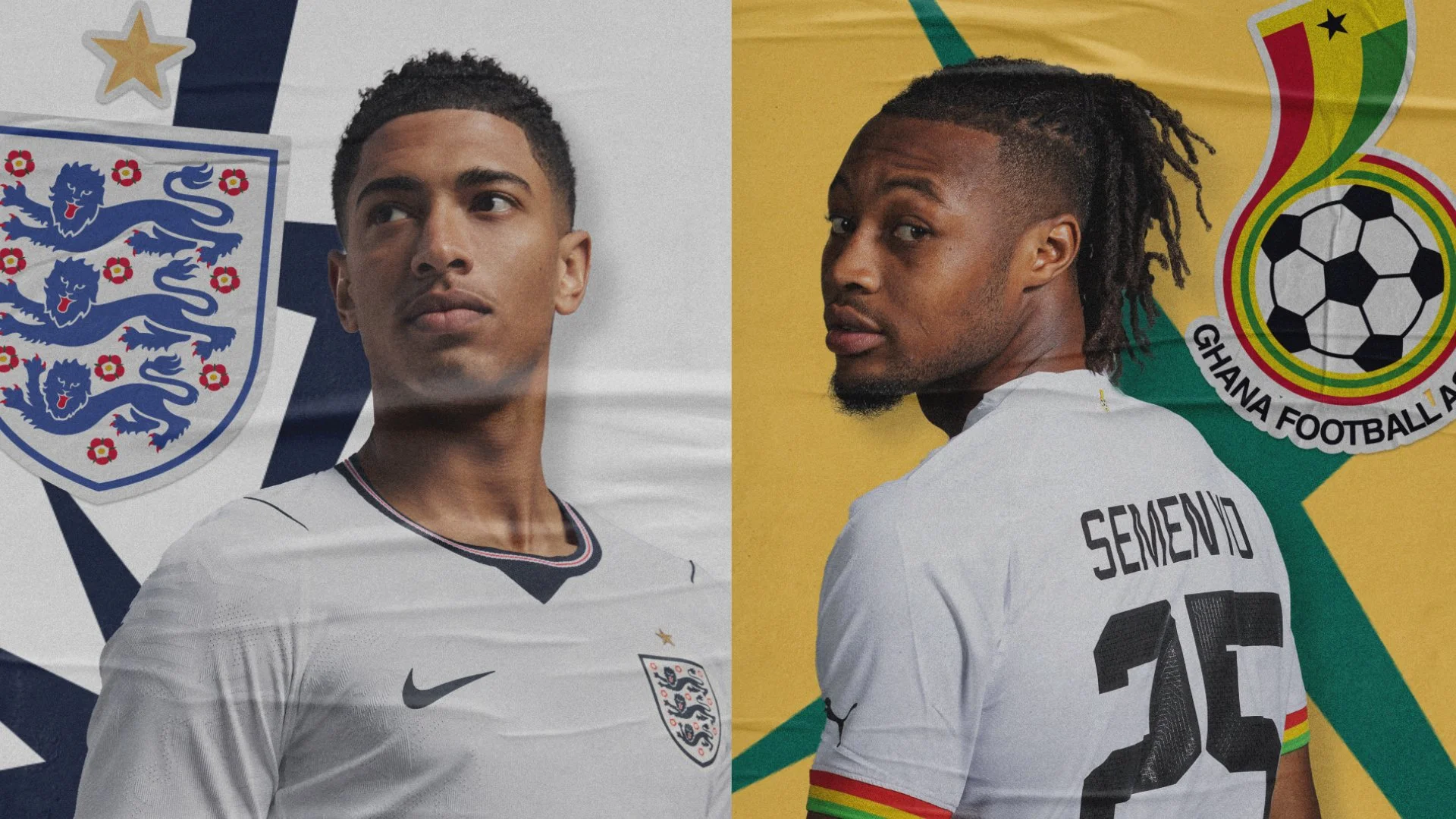
FIFA 2026 World Cup
Turning reach into relationship
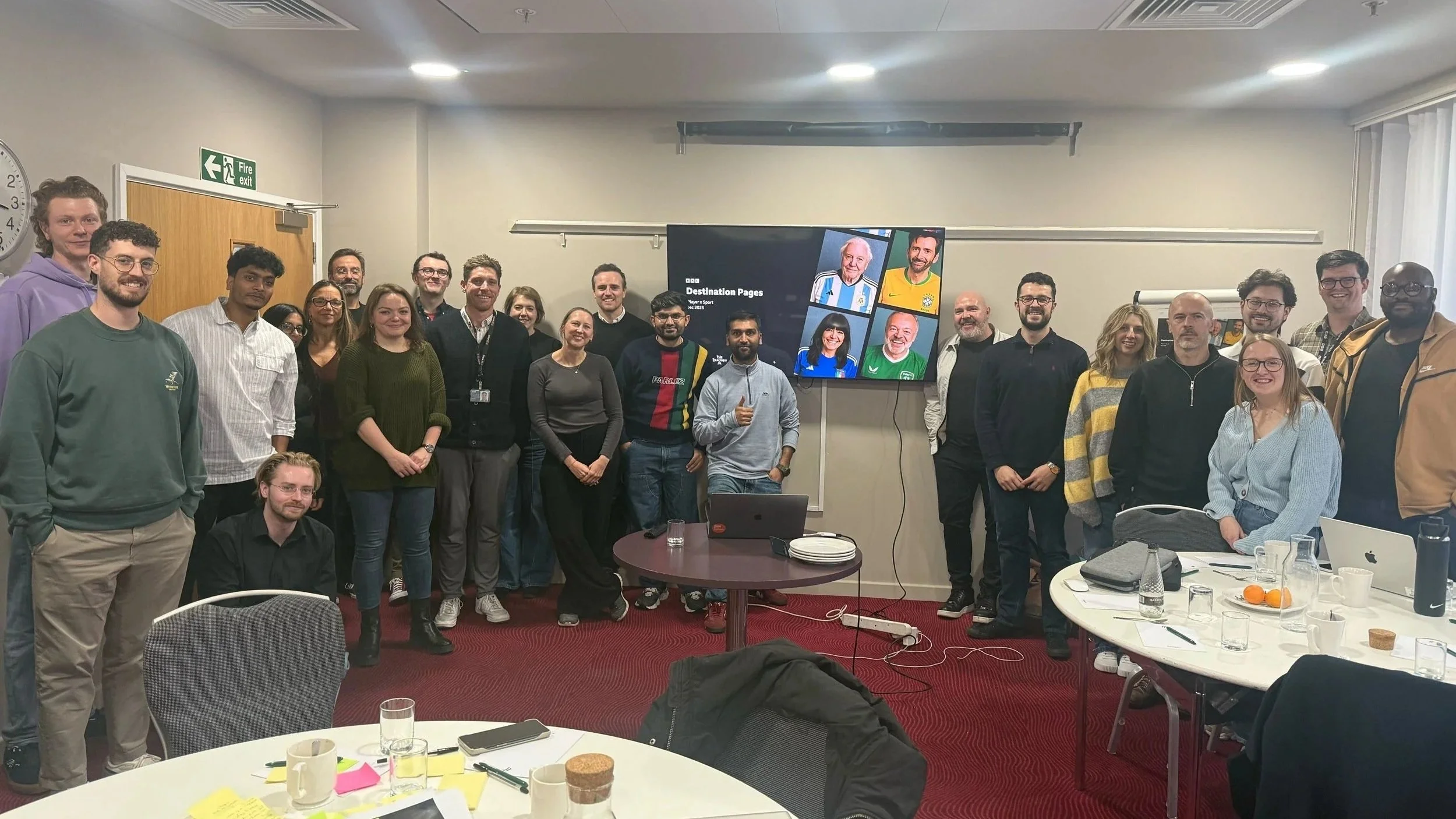
December 2025: Cross discipline workshop in Media City, defining our World Cup experience
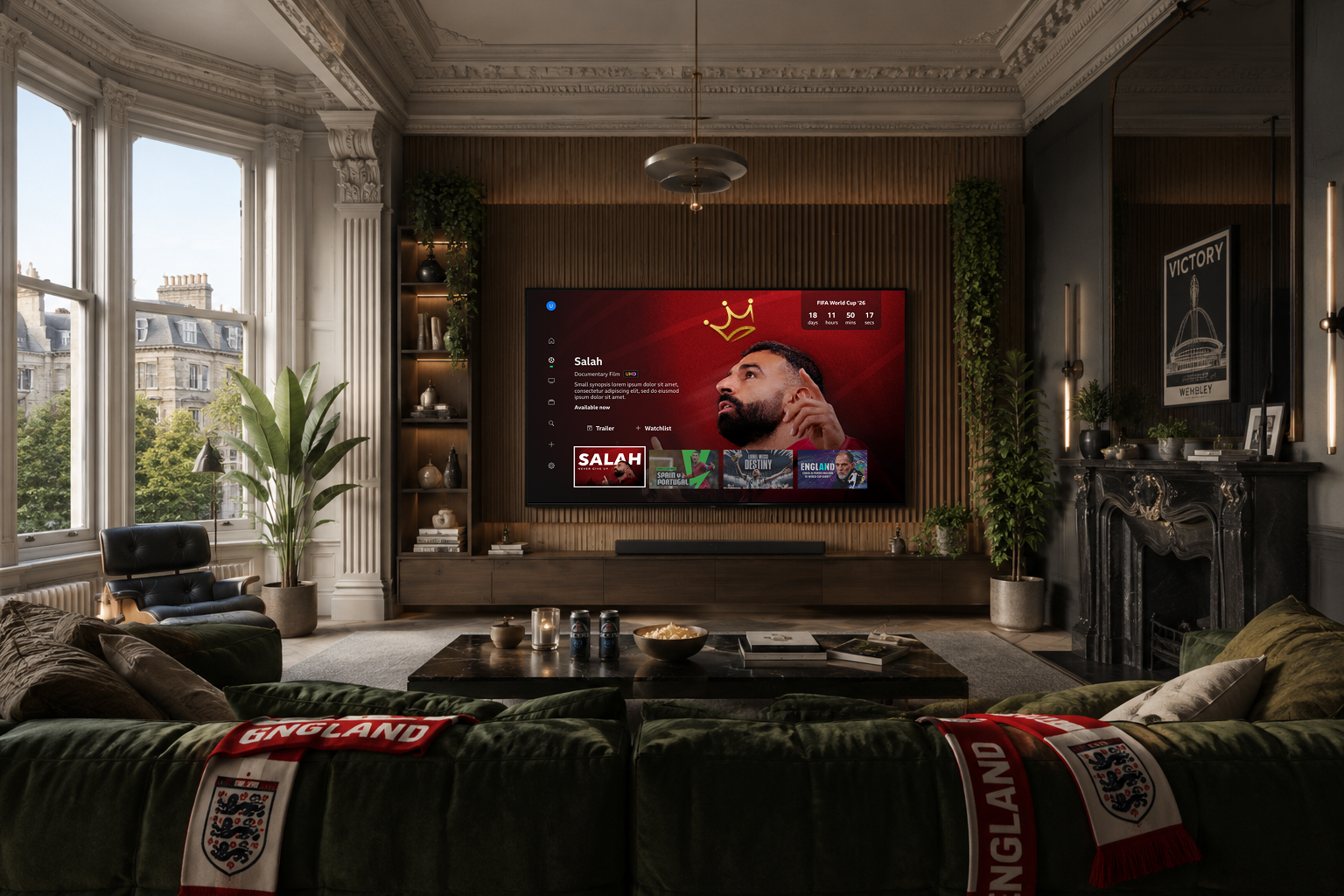
June 2026: iPlayer TV, across the nation
Client: BBC
Project Duration: 10 months
Role: TV Design Lead
Responsibilities: Design leadership, team direction, concept development, cross-functional workshops, research planning, stakeholder alignment, component strategy, hands-on Figma design and delivery support
Overview
Big tournaments bring huge audiences to BBC iPlayer. The harder question is what happens after they arrive.
From Euro 2024, 12.8m accounts came to iPlayer, with around 30% classed as rare users. But less than 20% went on to watch something else within two weeks, and long-term retention remained broadly flat after the tournament. The reach was huge. The relationship was much harder to build.
That became the core challenge for the World Cup: how could we use one of the world’s biggest sporting events to help audiences discover more, return more often, and see iPlayer as a richer football destination rather than somewhere they only visit when the match is already on?
This was not simply about designing a football page. It was about using football as a proving ground for a more scalable model of discovery.
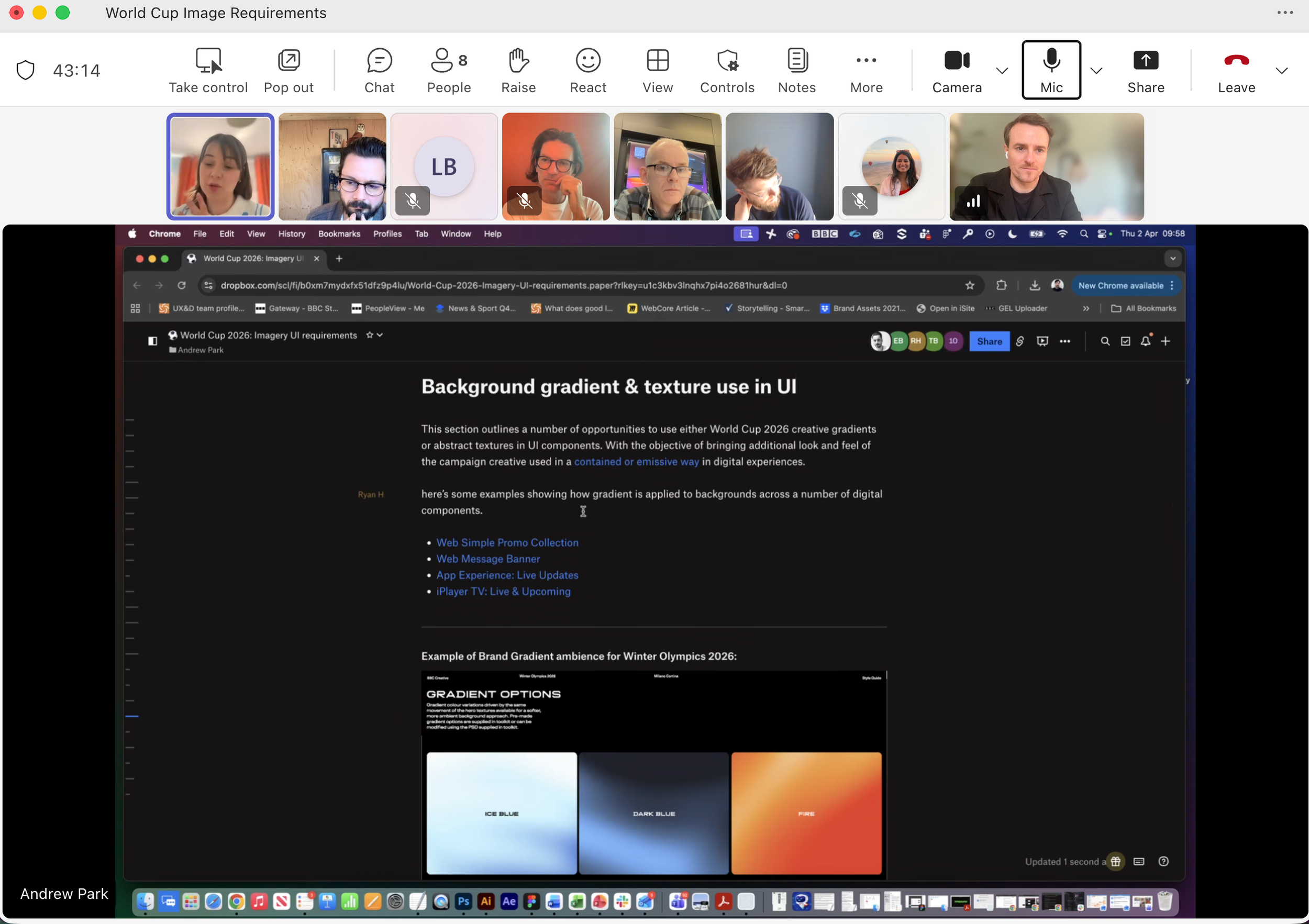
My role
As TV Design Lead, I led the design direction for the World Cup Destination Page and helped shape the wider Destination Pages approach across iPlayer.
This involved leading a team of designers, setting the design direction, shaping the research plan, producing high-fidelity concepts to secure Editorial buy-in, and working hands-on in Figma across page structure, component hierarchy and interaction patterns.
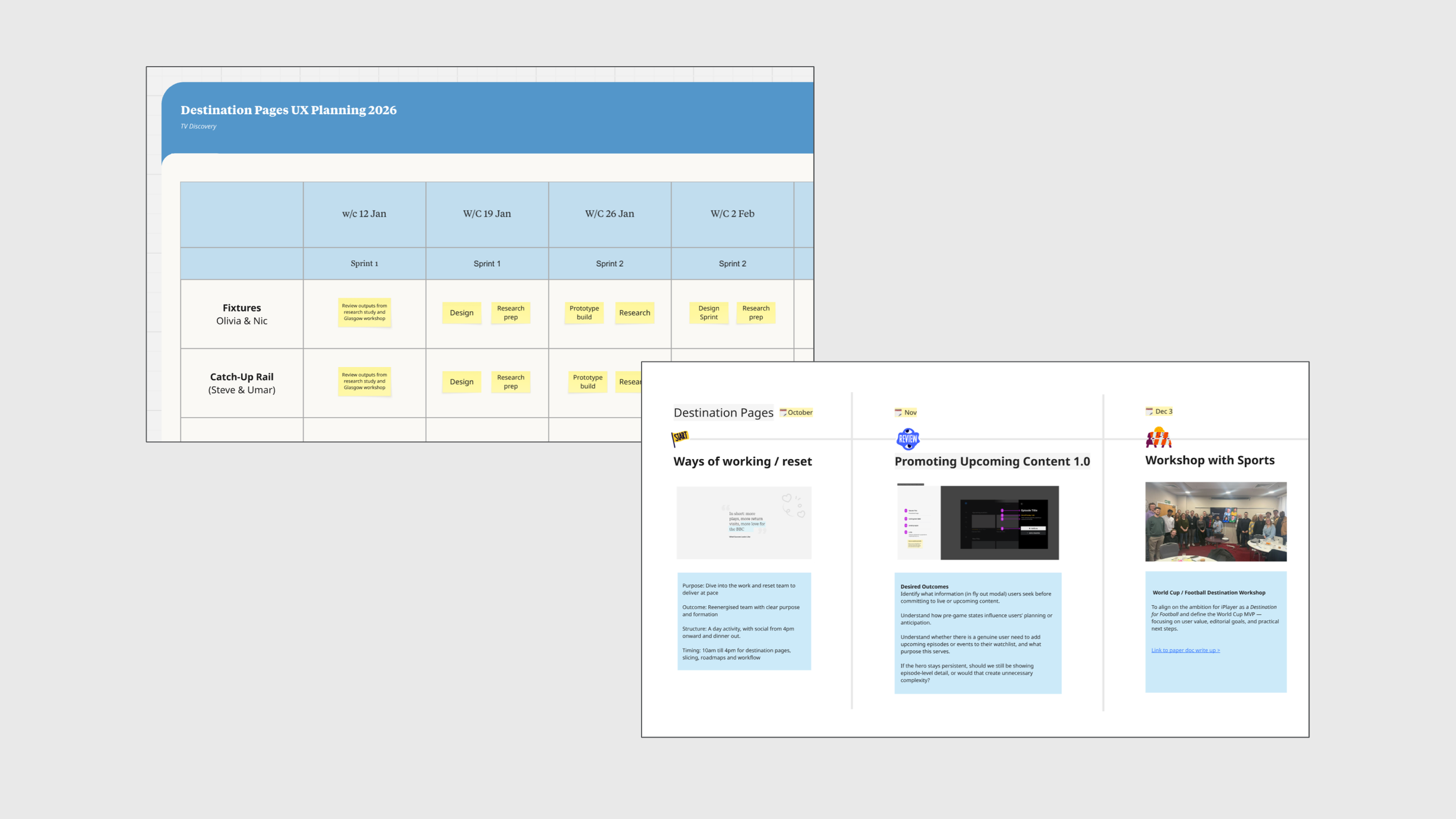
I also helped structure the work into two parallel design streams: one focused on the engineering spike and reusable Destination Page framework, and another focused on adapting the experience for the specific needs of BBC Sport and the World Cup.
A large part of the role was coordination. I worked across Editorial, Product, Engineering, Research, BBC Sport and wider platform teams to keep people aligned, clarify priorities and make trade-offs visible. That meant translating between audience needs, editorial ambition, technical feasibility and product outcomes, often at pace.
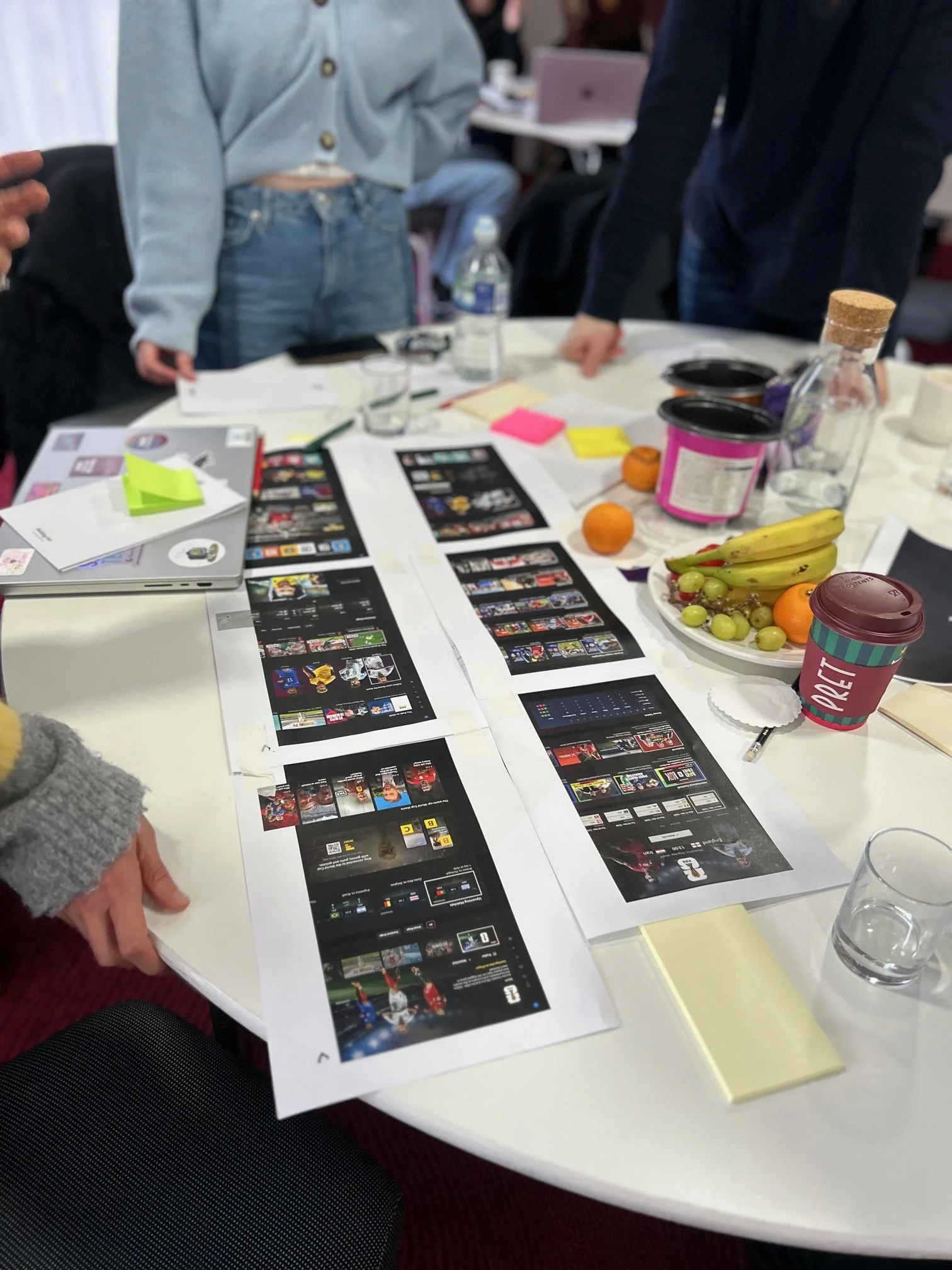
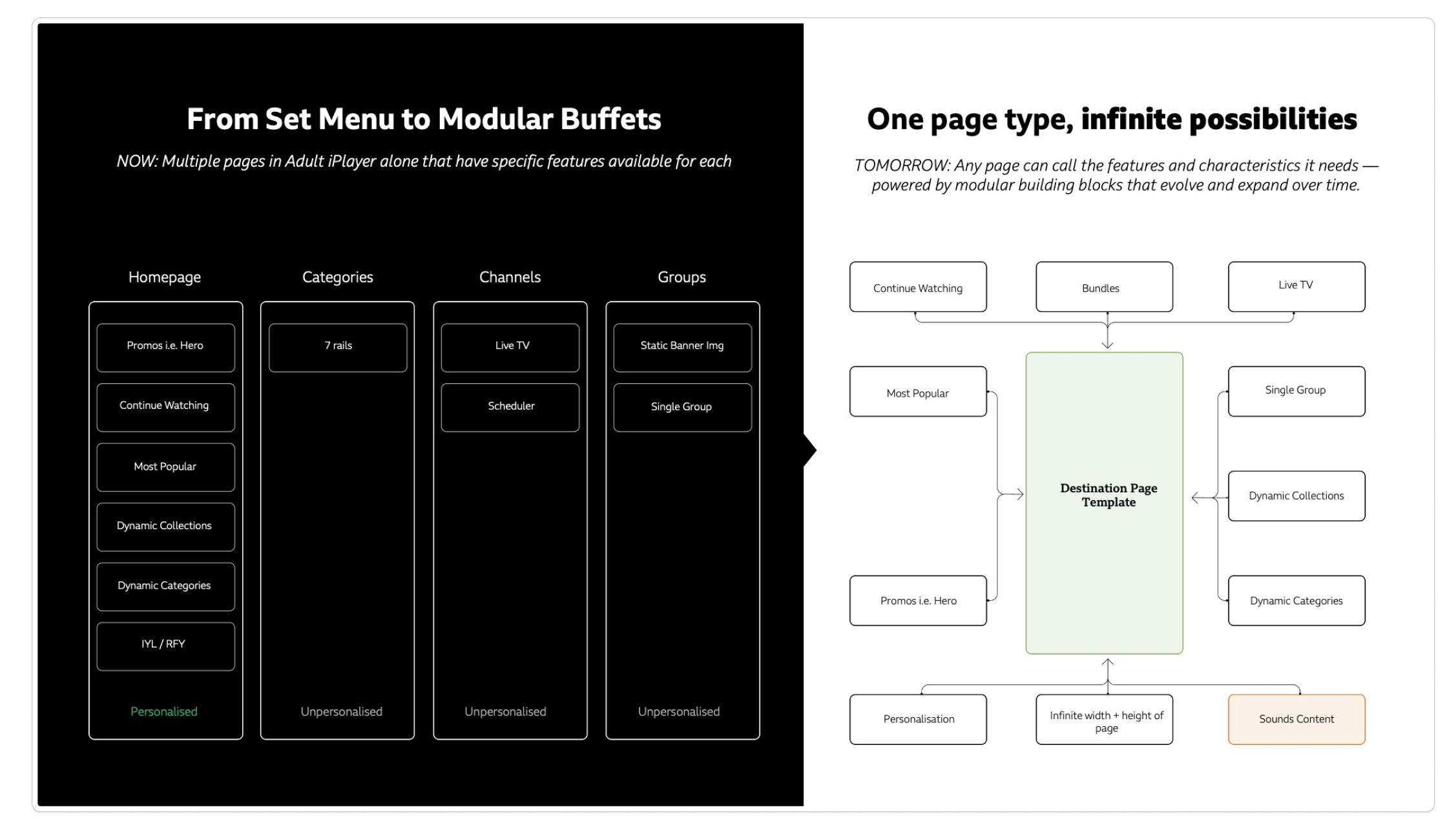
I led and facilitated multiple cross-functional workshops, helping move the team from broad ambition into clearer product principles, MVP scope and design direction. I also championed a system-first approach, using BBC-wide components and Next Gen templates wherever possible, so the work could act as a foundation for future destination pages rather than becoming a one-off World Cup build.
In practice, my role was not just to design the page. It was to help create the conditions for better decisions to happen.
The opportunity
The BBC has extraordinary depth, but audiences do not always see it.
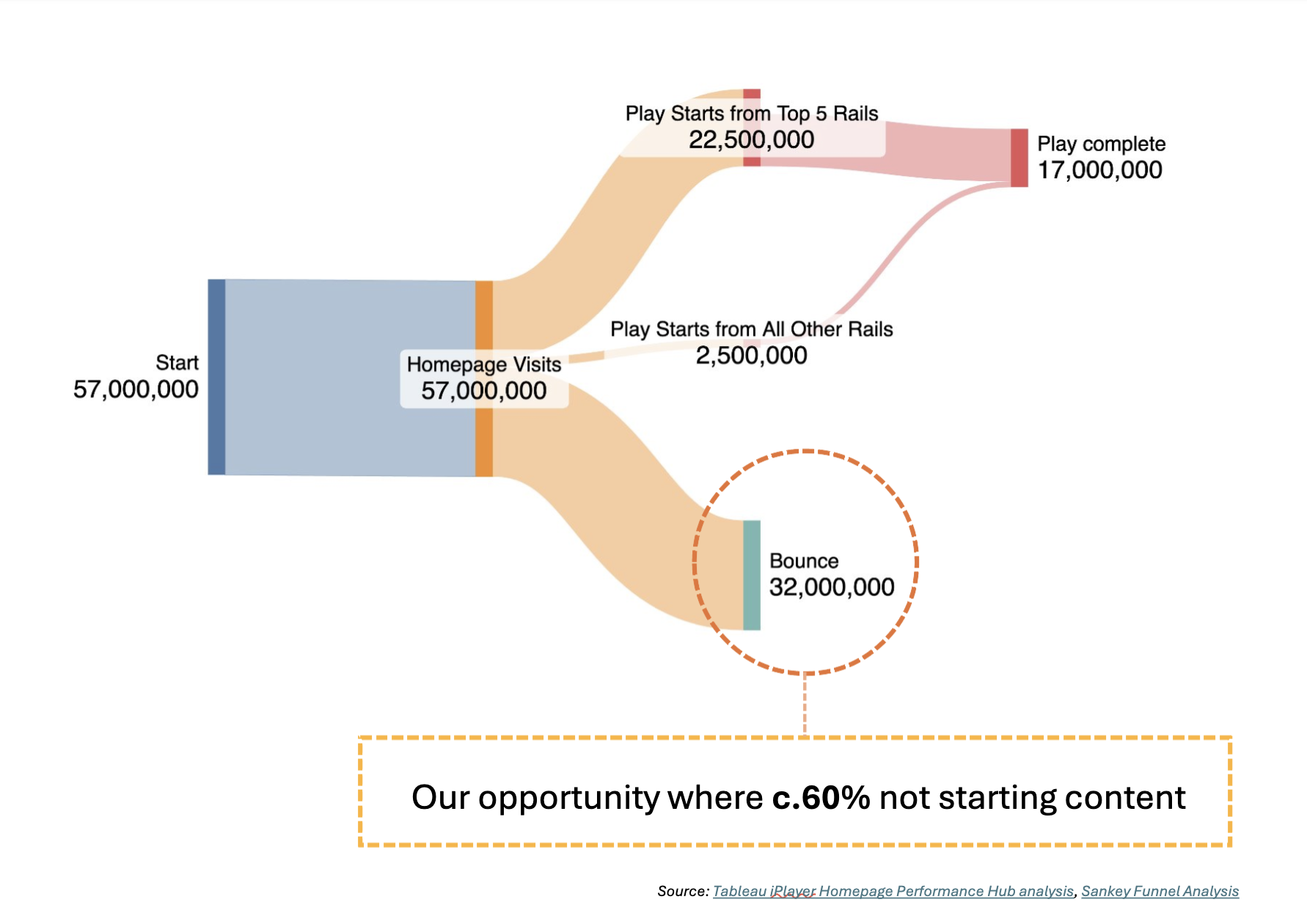
We highlighted a clear discovery problem. On iPlayer, 95% of homepage play-starts come from the first five rails, and 60% of homepage visits bounce without engagement. At the same time, destination-style pages were already showing strong signals: Category and Group pages were driving around 2.26m weekly watch-starts, even before we had properly optimised the experience.
That suggested an opportunity. Audiences were willing to go deeper when we gave them a focused, useful space to explore. A standard programme page is useful when the audience already knows what they want. A World Cup is not that tidy.
People arrive with different levels of interest, different levels of knowledge, and different jobs to do.
For the World Cup, that meant moving beyond a standard programme page. A tournament is not a single piece of content. It is a living system of fixtures, live matches, build-up, highlights, analysis, reaction, documentaries, podcasts, archive and emotional overinvestment in players you had never heard of three weeks earlier.
The product opportunity was to bring that world together in one place.
What audiences needed
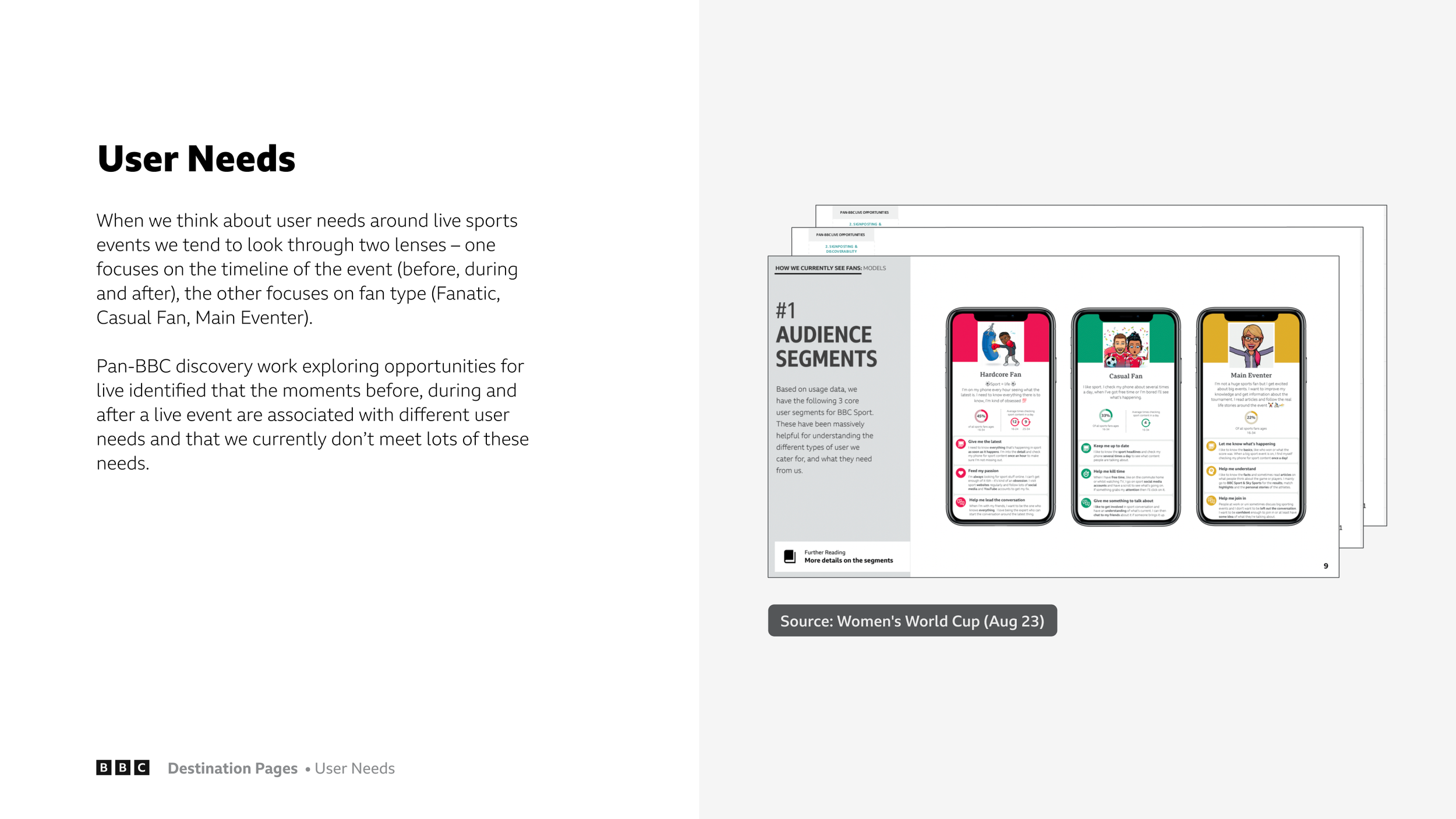
Research with rare and light users showed that audiences wanted more than access to live matches. They needed help planning what to watch, ways to stay engaged between matches, more insight and personality, and a stronger sense of being part of something bigger.
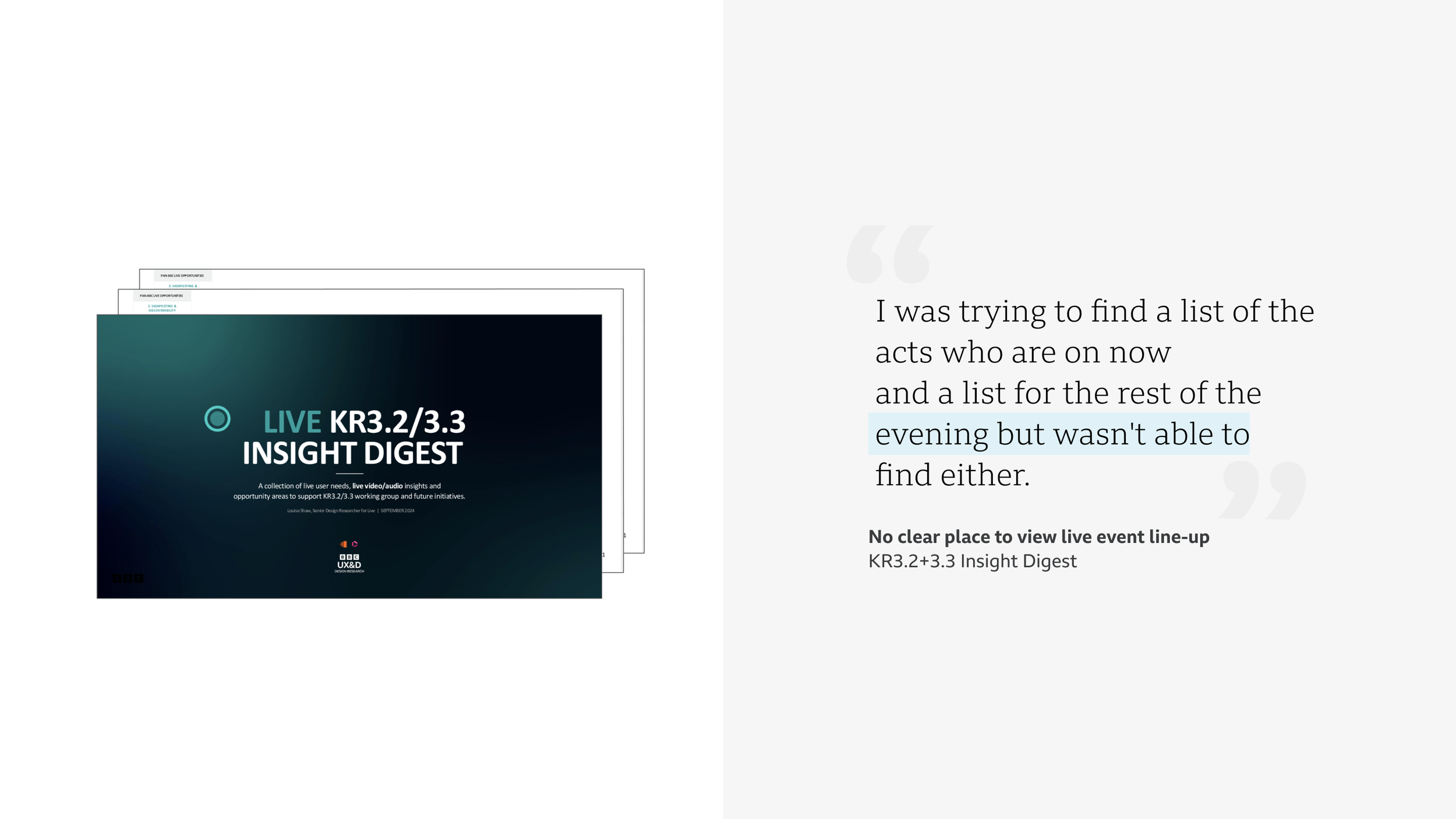
We had also seen through previous live events, including the Winter Olympics, that fast-moving tournaments can be difficult to follow within the constraints of a standard programme page. People need to understand what is live, what is coming next, what they missed, and where to go when they are not quite sure what they want yet.
The World Cup Destination Page was designed to respond to those needs by creating a single place to follow the tournament on iPlayer. The experience aimed to bring together live and upcoming fixtures, catch-up content, highlights, short-form clips, football documentaries, archive, podcasts and routes into BBC Sport as a companion experience.
For audiences, the page needed to support planning, watching, catching up and exploring. For the BBC, it needed to extend the live window before, during and after matches, encouraging people to return beyond the initial live moment.
Low fidelity flows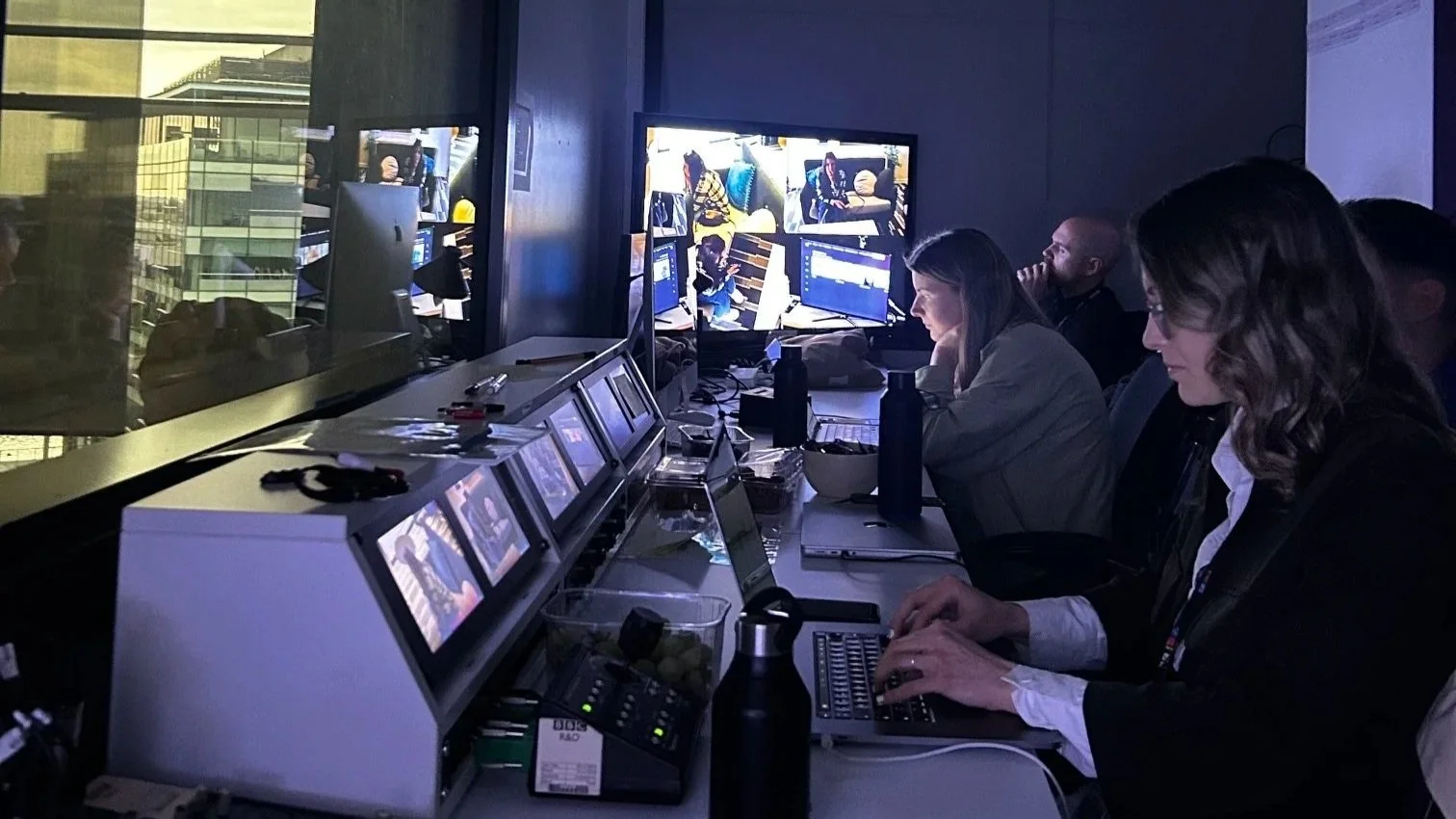
Designing the TV experience
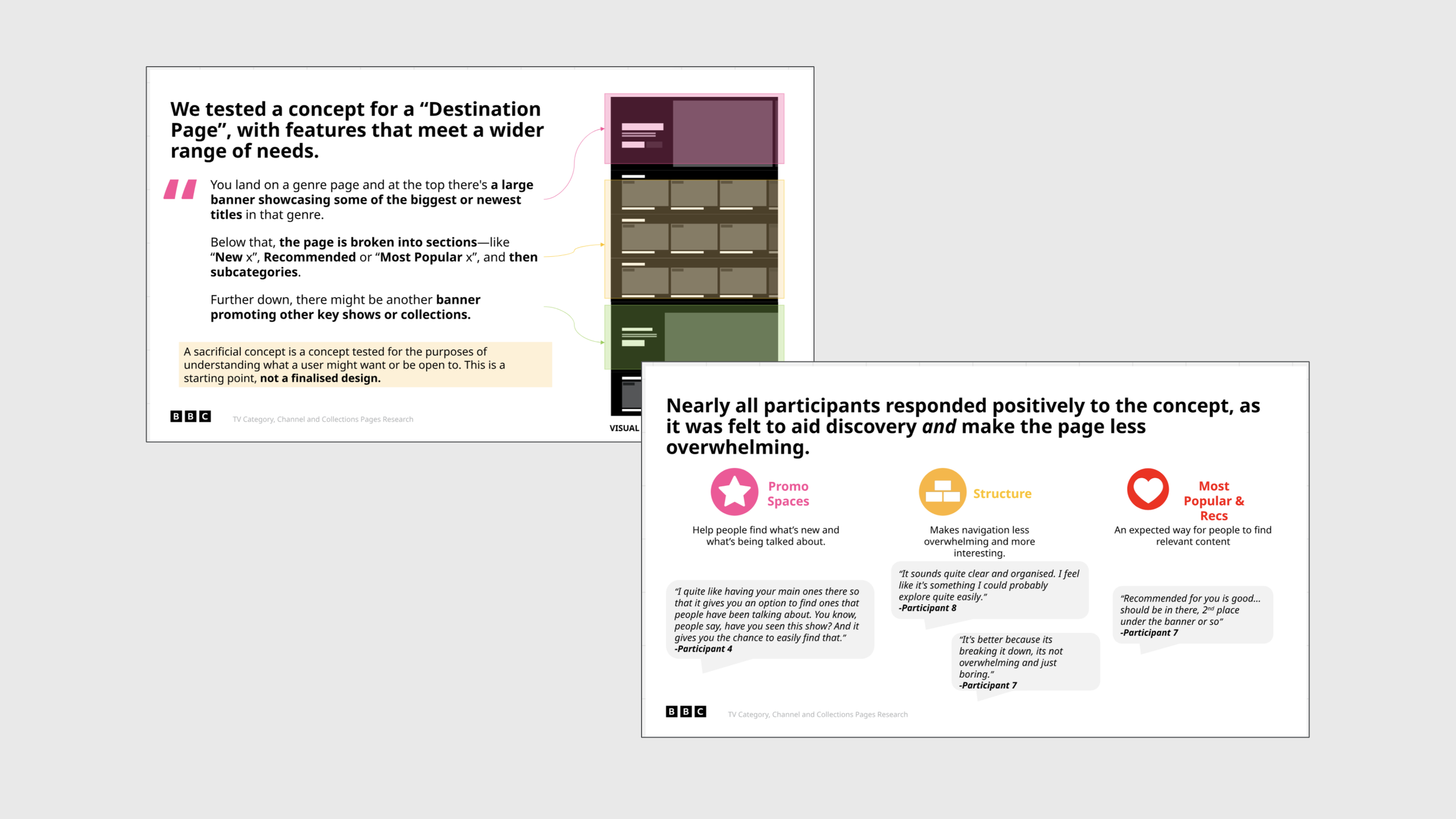
The work explored a more immersive TV expression for Destination Pages, using the World Cup as the first major proving ground. The core experience brought together a longer, wider page structure, a more prominent hero treatment, editorial and recommendation-led rails, live and upcoming fixtures, completed matches, catch-up content, short-form clips, routes-in from the homepage and companion journeys into BBC Sport.
Not all of this represented the final shipped experience. Some elements were MVP, some were TV-first explorations, and some were future-facing components shaped by technical, editorial and platform constraints. That distinction is important. The work was not a finished declaration of “this is the World Cup experience forever”. It was a practical first step towards a broader discovery capability.
A big part of my role was helping make those trade-offs visible. What did audiences need for the tournament? What could we deliver in time? What should be validated on TV? What could scale beyond World Cup? What was genuinely part of the reusable framework, and what was a one-off workaround because tournaments, like toddlers, do not care about your roadmap?
The answer was not always elegant. It rarely is. But the discipline was to keep connecting design decisions back to audience value and product strategy.
The MVP
For audiences, the page provides a single place to follow the tournament on iPlayer, helping them plan what to watch, stay engaged between matches, catch up on what they’ve missed, and explore more football content from across the BBC.
We brought live matches, upcoming fixtures, highlights, short-form clips, podcasts, archive and related football content into one destination.
The page included:
live and upcoming fixtures
match and tournament catch-up
short-form video
Home Nations journeys
daily podcast drops
football documentaries and archive
QR routes into BBC Sport
The aim was simple: help audiences plan, follow and explore the tournament in one place.
Building a learning loop
The project was at its best when design, product and engineering worked as a tight loop rather than a neat relay race.
During decision sprint, we worked across multiple areas of the experience concurrently, exploring feature ideas, testing assumptions, understanding technical constraints and making decisions quickly. The pace mattered because the World Cup timeline was immovable. FIFA were, rather inconsiderately, not waiting for our component library to reach enlightenment.
But speed on its own is not the point. The useful bit was the loop: learn, design, validate, adjust, repeat. Some ideas became clearer as soon as we made them tangible. Some got better through engineering challenge. Some were politely dismantled by users, which is annoying in the moment and extremely helpful about twenty minutes later.
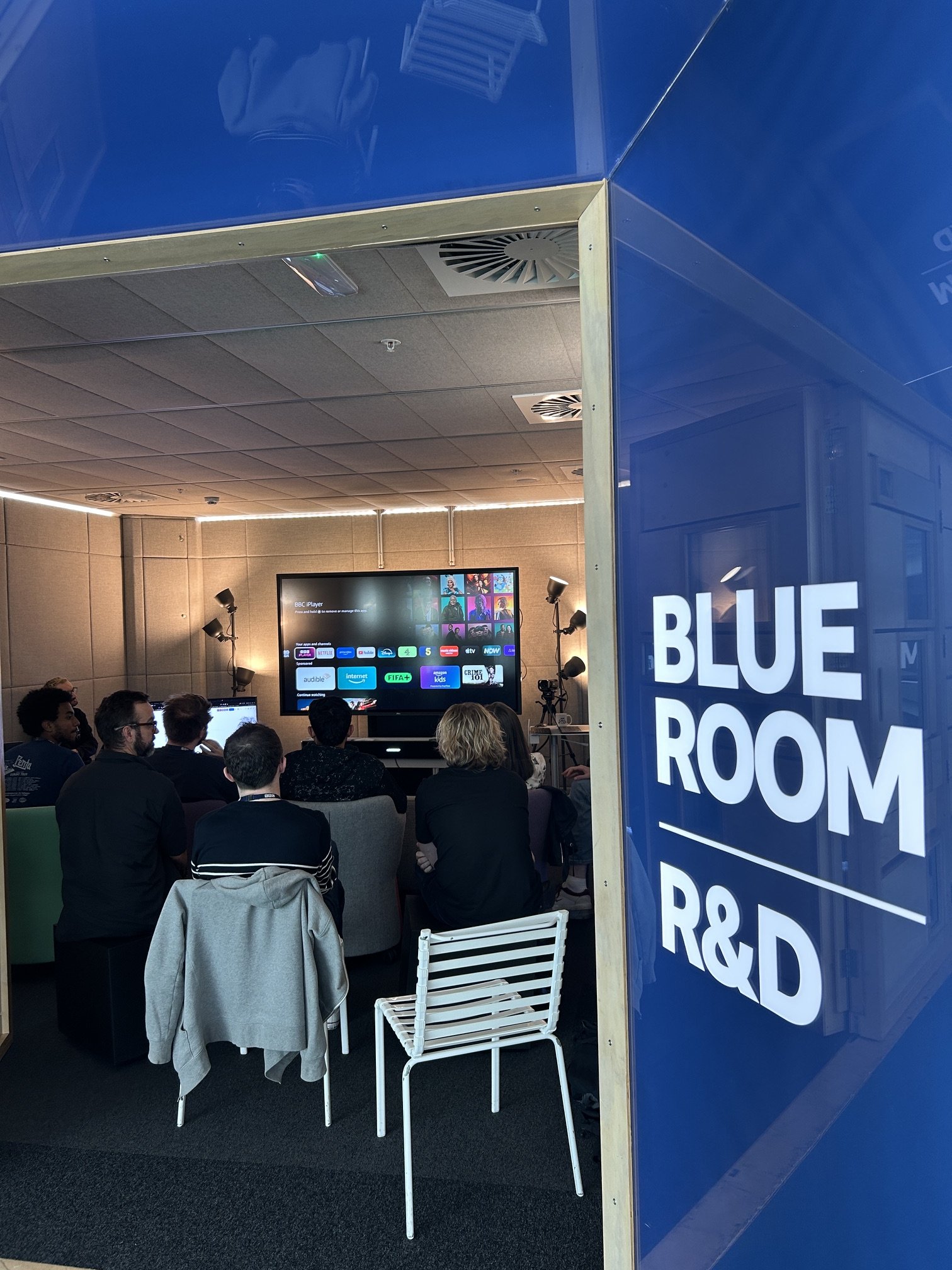
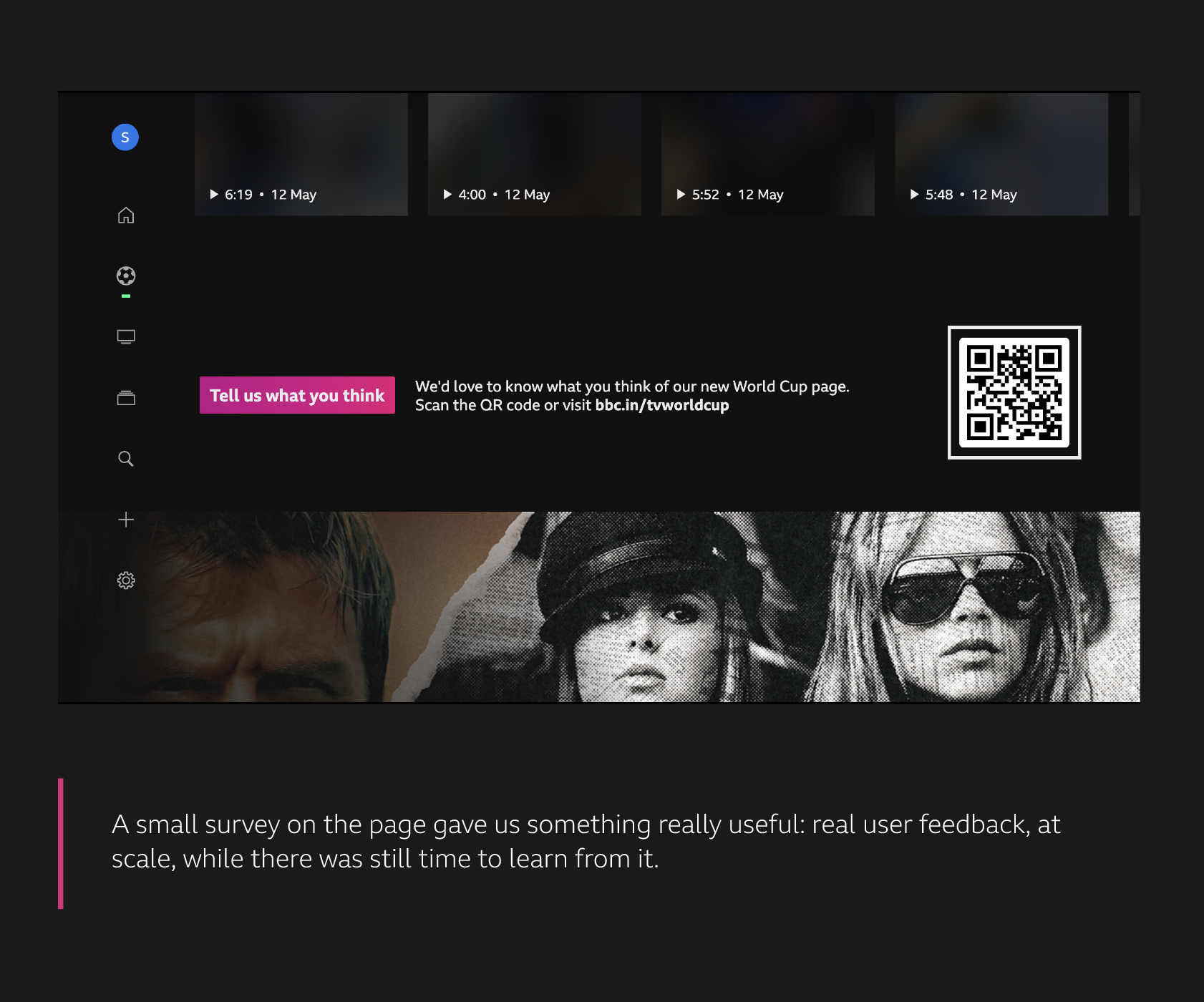
That way of working became one of the most important parts of the project. Research was not treated as a one-off phase at the start. It was part of the rhythm of delivery, helping us move quickly without becoming overly attached to our own assumptions.
Reactions
The World Cup Destination Page was only a fraction of the full future experience, but it helped prove the value of the direction.
By bringing together fixtures, live coverage, catch-up, highlights and short-form content, the experience helped audiences plan, watch, return and explore.
40.4m play starts
The Destination Page became one of the strongest single destinations across iPlayer.
49% more exploration
Users generated 49% more exploratory plays per person than those who didn’t use the page, suggesting the experience encouraged broader discovery across iPlayer.
Live + on-demand
38.5% of users consumed both Live and VOD content in a week, compared with 15.4% of non-page users.
A reason to return
34% of visitors interacted with the schedule. Those users visited the page an average of 7 times, compared with 2 visits for those who didn’t.
The results gave us confidence that destination pages could do more than serve a major live moment. They could create deeper viewing journeys, encourage exploration and give audiences reasons to return.
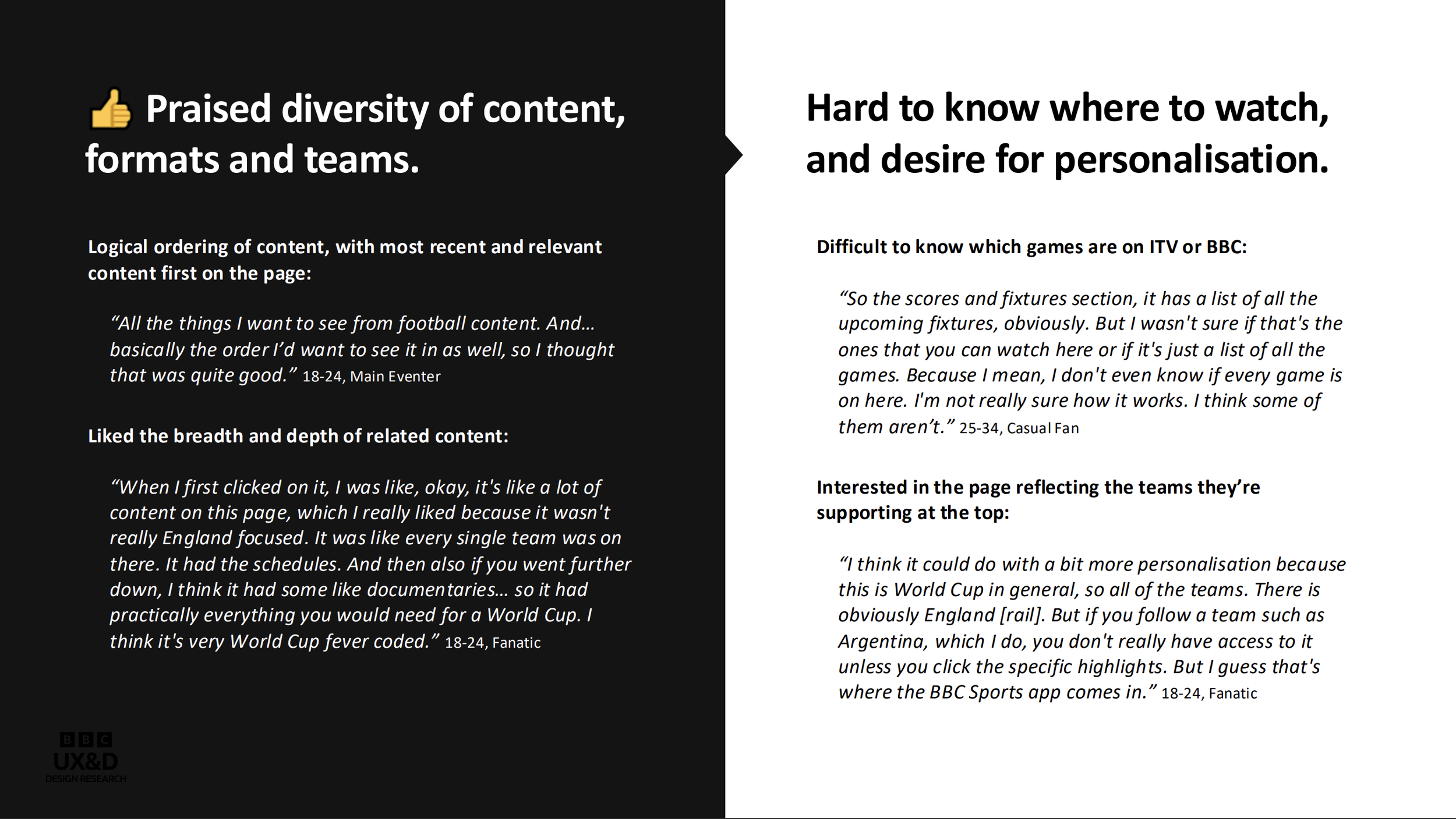
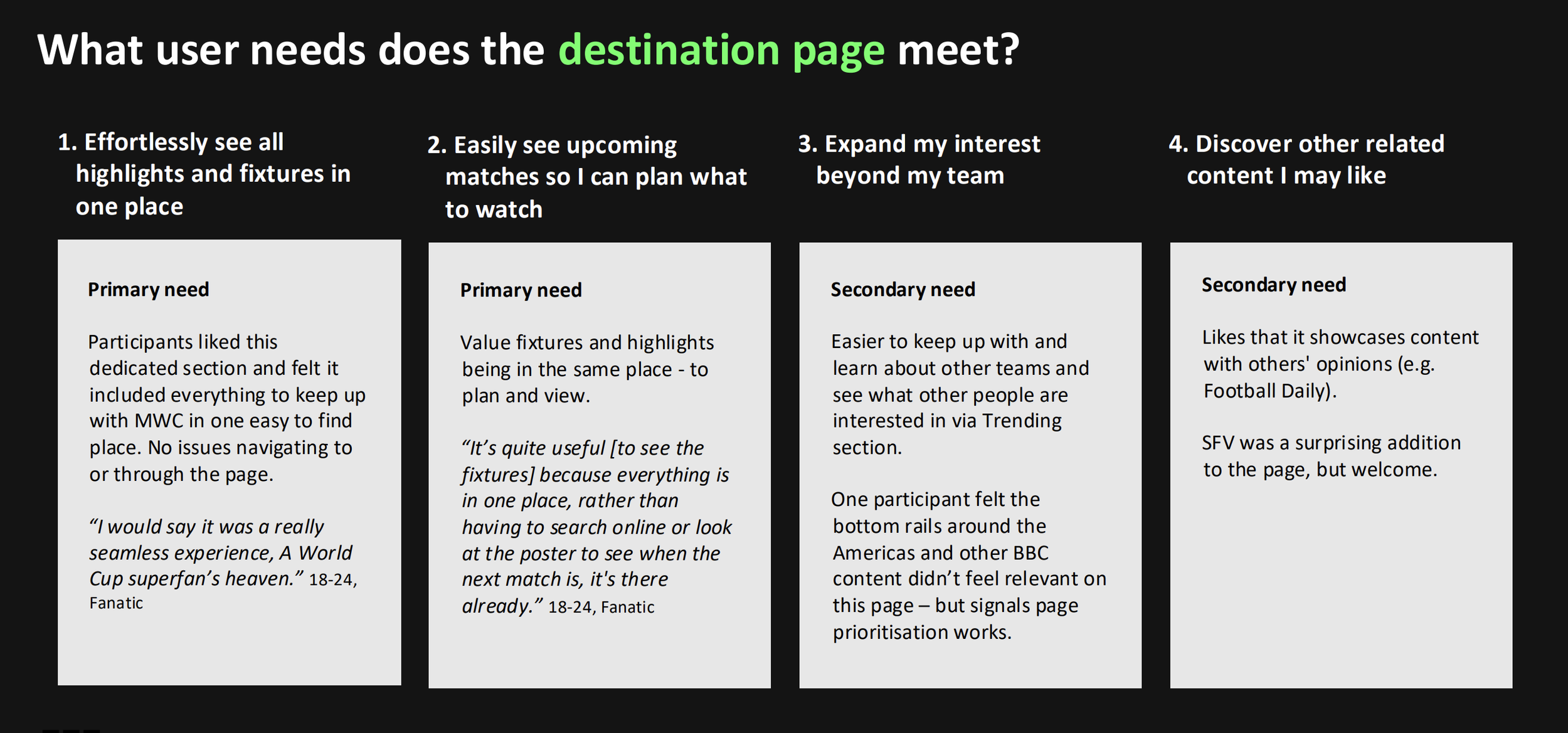
Design Research Diary Study: Exploring fan behaviours, needs and reactions during the Men’s World Cup 2026
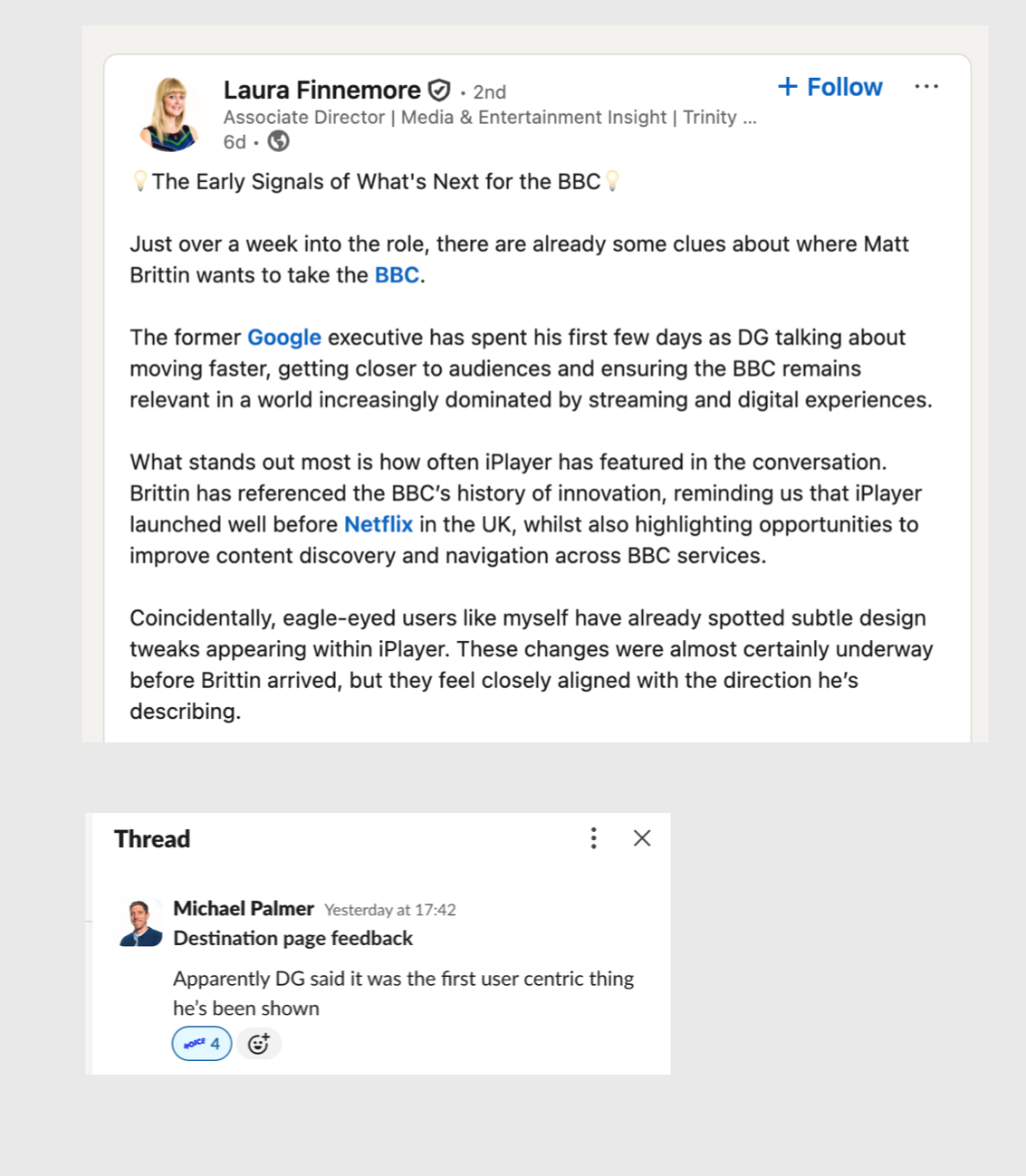
Reflections
Looking back, the most interesting part of the project was not any single component, but the strategic move behind it. The BBC already has extraordinary depth, but audiences do not always see it. They come for the big moments, yet the experience does not always show them what else exists, how it connects, or why they should return. For me, the World Cup reinforced that reach is only the beginning.
We broadcast 54 of the 104 matches live, but could not reference ITV’s coverage. It was a constraint I did not necessarily agree with. From an audience perspective, the clearest experience would have been to show where every fixture was available, regardless of broadcaster.
But design is also about knowing when to challenge a constraint and when to make the best of it. We focused instead on making the BBC offer as clear and useful as possible. That shaped decisions such as introducing an iPlayer audio player and using Watch live / Listen live labels, giving audiences a simple indication of what they could do through the BBC. It was a useful reminder that you do not have to agree with every constraint to design well within it.
The bigger opportunity, though, is what happens after someone arrives. Discovery is not simply about helping people find something to watch. It is about revealing the depth around that moment, helping audiences understand what else is available and giving them a reason to keep exploring.
This was never about shipping the final version of the future. It was a meaningful step towards it, using one of the world’s biggest sporting events to explore how major cultural moments can become the start of a deeper relationship with iPlayer.
And, occasionally, it meant spending a surprising amount of time thinking about fixture rails. As career choices go, oddly specific, but not without purpose.